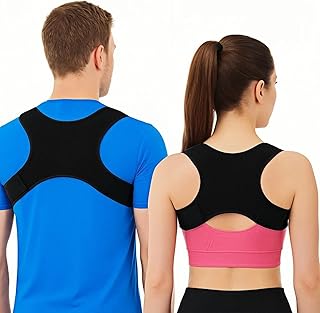
In today's digital age, poor posture has become an epidemic. Hours spent hunched over computers and smartphones lead to a host of problems, from chronic back pain to the development of a noticeable hunchback. Fortunately, Posture Corrector devices offer a practical solution to combat these issues. These innovative braces provide gentle, consistent support to retrain your muscles and align your spine, helping you stand taller and feel better.
Understanding Posture Correctors: More Than Just a Brace
A posture corrector is not merely a restrictive device. It's a training tool designed to provide proprioceptive feedback. When you slouch, the brace gently pulls on your shoulders, reminding you to sit or stand up straight. Over time, this consistent reminder helps strengthen the muscles responsible for good posture, making proper alignment a habit rather than a conscious effort. For a deeper dive into how they work, check out this comprehensive Posture Corrector Guide on fixing hunchback naturally.
Key Benefits of Using a Posture Support Device
The primary benefit is, of course, pain relief. By aligning the spine and taking pressure off muscles and nerves, these devices can significantly reduce discomfort in the neck, shoulders, and upper and lower back. Beyond pain management, they promote better breathing, increased energy levels, and a more confident appearance. They are also valuable tools for individuals managing specific conditions, providing scoliosis support and aiding in hunchback correction.
Features to Look for in a Quality Posture Corrector
When shopping for a brace, several features are crucial for comfort and effectiveness. Adjustability is paramount. Look for an adjustable posture brace or adjustable shoulder straightener that can be customized to your body for a snug, supportive fit without being too tight. Breathability is another key factor, especially if you plan to wear it for extended periods. Many modern designs, like the KNXWALT Posture Corrector, feature a breathable mesh design to prevent overheating.
For discreet everyday wear, consider an invisible posture aid. Products like the Fit Geno Posture Corrector Invisilite are designed to be lightweight and virtually undetectable under clothing. If you have a Health Savings Account (HSA) or Flexible Spending Account (FSA), you'll be pleased to know that some models, such as the Kepwaa Posture Corrector, are FSA/HSA eligible, making them a smart investment in your health & wellness.
Top Posture Corrector Options for Men and Women
The market offers a wide variety of braces tailored to different needs. For a full-coverage option, the Upgraded Breathable Full Back Support brace provides comprehensive back support from the lumbar region up to the thoracic spine. For those seeking a simple yet effective upper back solution, the HLOES Posture Corrector is a popular adjustable back straightener that focuses on the shoulders and upper back.
Women-specific designs often consider fit and discretion. The WNIEYO Back Brace is a back brace for women that comes in sizes and colors like pink, while the Vaunn® Back Correction Belt is praised for being invisible under clothes. For maximum comfort, the UltraSupport+ Posture Corrector lives up to its name as a truly comfortable posture aid.
How to Choose and Use Your Posture Corrector Effectively
Choosing the right device depends on your specific pain points and lifestyle. Reading detailed ergonomic reviews can be incredibly helpful. For instance, the Fit Geno Posture Corrector review or the KNXWALT Posture Corrector review provide real-user insights into effectiveness for slouching correction and pain relief.
Start by wearing your back brace support for short periods (30-60 minutes) a few times a day, gradually increasing the duration as your body adjusts. It should feel supportive, not painful. Remember, a posture corrector is an aid, not a cure-all. Combine its use with core-strengthening exercises, regular stretching, and mindful ergonomics at your workstation for the best long-term results in posture improvement.
Ultimately, investing in a quality posture corrector is an investment in your long-term spinal health and overall well-being. By providing the necessary posture support, these devices can help you break the cycle of pain and poor alignment, leading to a healthier, more comfortable life. For a broader comparison, the Ultimate Guide to Posture Correctors is an excellent resource to start your journey toward better posture correction.